Callnovo

optometry

Optometrist Answering Service for Patient Follow-Up

An optometrist answering service can connect automated reminders with a real conversation. At one US optical practice, Callnovo agents followed up with previous patients, already-booked patients and insurer referrals from separate practice-supplied lists.

Give each call a purpose and a next owner. Agents handle approved scheduling and follow-up; the practice keeps clinical and insurance decisions. Outbound calling is scoped separately from inbound answering. See published pricing or plan your workflow.

Customer support coordinator wearing a headset at an optical practice reception desk with eyeglass frames nearby.

how it plays out

Illustrative call workflows for an optometry practice

Phone English

“I need a routine eye exam and I prefer the downtown office.”

Routine scheduling is simple when location, provider and appointment type are separated.

  1. Identify new or returning patient and preferred location
  2. Capture exam type, provider preference and timing
  3. Use approved availability and preparation information
  4. Confirm the appointment and remaining patient action
Exam scheduled visit intent clear

Web Chat Spanish

“Can I reorder my contact lenses?”

A reorder request needs the record, product and approval path—not an invented prescription decision.

  1. Verify patient and identify the product or order reference
  2. Capture the request and any delivery or pickup preference
  3. Use approved refill and prescription-status rules
  4. Route expired, missing or disputed prescriptions to practice staff
Lens request routed prescription path checked
Phone Mandarin

“My vision changed suddenly—who should I speak with?”

A symptom report needs prompt routing, not a remote clinical answer.

  1. Record the patient’s own description and callback details
  2. Apply only the practice-approved urgency questions
  3. Use the clinical or emergency escalation path
  4. Document the recipient and callback expectation without promising an outcome
Clinical escalation started qualified owner assigned

the team behind it

Faces, not a queue.

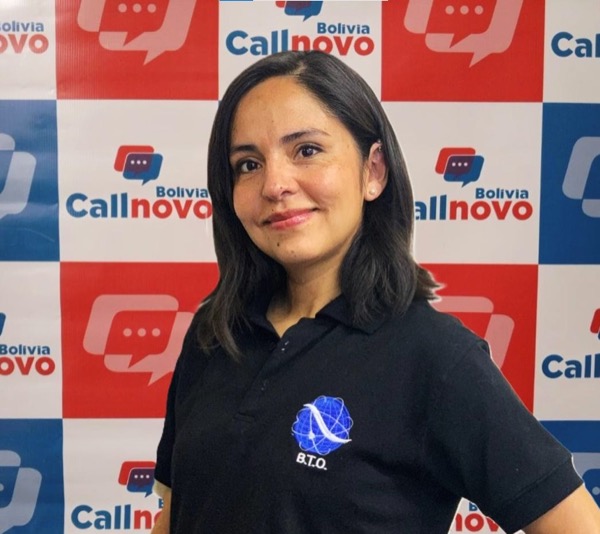
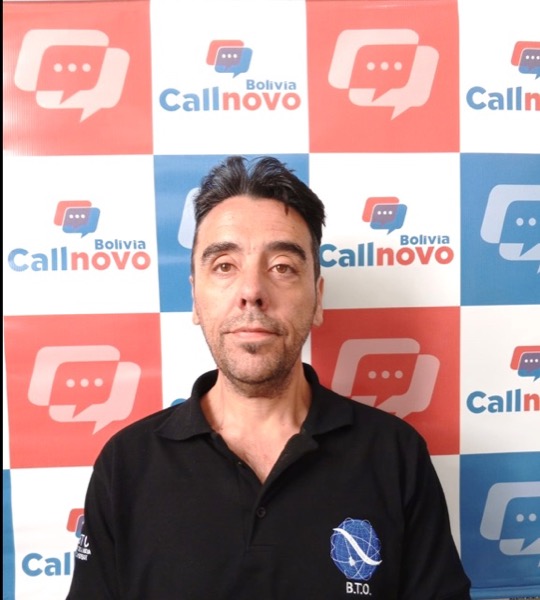
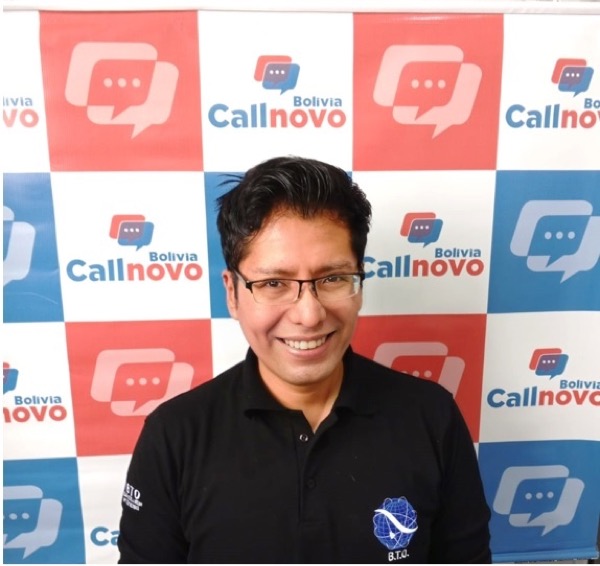
Callnovo agentCallnovo agentCallnovo agentCallnovo agentCallnovo agent real members of the global team

Human Escalation for Optometry Care

  • Appointment, contact-lens and eyewear coordination using practice-approved information
  • Insurance and records intake without coverage, prescription or clinical promises
  • Practice-approved routing for sudden vision changes, pain, injury, medication and post-procedure concerns

65+ Languages

  • Human agents providing support in 65+ languages
  • Real-time AI translation for rare language pairs
  • Cultural context training for every market we serve

Follow-the-Sun Coverage

  • Operation centres in Canada, Bolivia, Nicaragua, the Philippines and China
  • Smooth handoff between time zones with shared context
  • Holiday and weekend coverage without overtime costs

from an actual US optical practice

One practice, three reasons to call

At one US optical practice we support, automated reminders were already running. The practice supplied three kinds of call lists: previous patients, people with appointments already booked, and people introduced by an insurer. A useful calling plan gives each group its own purpose and handoff.

Previous patients

Reconnect after the automated reminder and find out whether the person wants help arranging a visit.

Agent action
Use the practice-approved list and script; record interest, a booking request or a reason to stop contact.
Practice handoff
Send clinical questions and any request outside the booking rules to practice staff.

Already booked

Make a pre-visit reminder useful without treating the patient as a new lead.

Agent action
Confirm approved visit details and capture cancellations or reschedule requests.
Practice handoff
Update the appointment record through authorized access or send the change to the scheduling owner.

Insurance referrals

Explain why the practice is reaching out and help the person take the next scheduling step.

Agent action
Identify the approved referral context, ask what the person needs and record unresolved questions.
Practice handoff
Have authorized practice staff verify eligibility, referrals and coverage before any promise is made.

Before launch, agree who supplies each list, when a record leaves the calling queue, which system holds the current appointment status and who owns unanswered questions. Outbound calling is a separately scoped service, not an automatic part of an inbound answering package.

the part nobody prices in

A reminder sent is not a conversation finished.

An automated reminder can prompt a patient to book or confirm. A live conversation can resolve a scheduling obstacle, a change of plans or a question the reminder cannot answer. Those responses need to reach the practice’s current appointment record.

A routine exam, a contact-lens follow-up, an eyewear pickup, a coverage question and a sudden symptom also need different routes. Agents can document the request; the practice keeps clinical and insurance decisions.

what it costs

Published rates, so you can do the arithmetic first.

These published starting prices cover different service models. Your quote depends on language mix, hours, call volume and the work agents are authorized to complete.

OptionPublished pricePer minuteWhat it's for
Live shared English team from US$650 / month includes 1,500 min → ≈ US$0.43/min Inbound appointment changes and insurance-question intake
AI voice US$0.15 per minute Routine hours, locations and approved scheduling information
Web chat US$0.15 per session Inbound exam, lens and eyewear inquiries
Dedicated English agent from US$5.80 per hour, per agent A dedicated team for separately scoped recall and referral follow-up

Live-service starting prices depend on language mix, hours, training and access. Choose the model around your inbound volume and any separately agreed outbound work; confirm the final scope and quote before launch.

The rates above describe service models, not an automatic allowance for outbound patient recall. Agree the calling lists, hours, approved scripts, system access and referral handoff before pricing follow-up work.

who takes which call

Route by the cost of getting it wrong.

Use current practice information for routine automation, live agents for conversations that need context, and qualified practice staff for clinical or insurance decisions. Agree the escalation path before calls begin.

The callRoute toCost of getting it wrong
Hours, location, provider and routine scheduling AI Low when practice content is current.
Exam, lens or eyewear intake Live agent Medium: missing context creates rework.
Insurance or prescription-status question Practice staff High: a wrong promise creates billing or safety risk.
Sudden vision change, pain or injury Qualified clinical channel High: the team must not assess or treat it.
Records, privacy or patient-identity request Authorized practice team High: access follows the practice workflow.

setup

Launch timing depends on the practice workflow.

Live staffing has started in as little as five days on suitable projects. Patient-data access, training, appointment-system setup and clinical escalation rules can add time. Confirm the launch plan for your practice before promising a date.

your existing software

Check the practice system before promising a write-back.

Tell us which scheduling or patient-record system you use and what access your team permits. Live appointment updates depend on the specific integration and permissions. If a direct connection is unavailable, define a secure handoff and who updates the record.

what comes off the call

What the optometry team should capture

Use the practice’s approved intake and privacy rules to route coordination separately from clinical judgment.

  • New or returning patient, callback details, preferred provider and location
  • Routine exam, contact-lens follow-up, eyewear pickup, referral or records request
  • Insurance carrier, member details and the exact verification question
  • Patient-described symptom, onset, callback preference and approved urgency category
  • Scheduling result, escalation destination, time received and callback expectation

Do not diagnose, interpret a symptom, recommend treatment or promise insurance coverage. Urgent or vision-threatening concerns follow the practice’s approved clinical or emergency path.

where AI should not be

The calls we will not put a bot on.

Diagnosis or treatment recommendation

Capture the patient’s request and route it to qualified practice staff.

Prescription or refill decision

Follow the practice’s authorization and prescription-status workflow.

Sudden vision change, injury or severe symptom

Use the approved clinical or emergency path; do not assess or reassure beyond the script.

questions

What buyers ask before they sign.

How much does an optometry answering service cost?

AI voice is US$0.15 per minute and web chat is US$0.15 per session. Live shared service starts at US$650 per month for the published English package with 1,500 minutes; dedicated English agents start at US$5.80 per hour. Outbound recall and referral calls are scoped separately.

How fast can you start answering our phones?

Live staffing has started in as little as five days on suitable projects. Practice training, system access and clinical escalation setup can extend the timeline. Ask for a plan based on your workflows.

Can you support Spanish-speaking patients?

English–Spanish shared support is available, but its price and coverage depend on the project. Confirm the language mix, hours and scripts before quoting; other languages can be scoped separately.

Can I mix AI and live agents on one number?

Yes. Set approved rules for routine scheduling, live exceptions and clinical escalation. Test the handoff and appointment record updates before expanding coverage.

Can an answering service for optometrists schedule eye exams?

Yes. Agents can identify the patient type, requested exam, location and provider preference, then schedule within the practice’s approved availability and intake rules.

Can agents answer questions about sudden vision changes?

No. They can record the patient’s own description and use the practice’s approved clinical or emergency escalation path. They should not diagnose, interpret symptoms or provide treatment advice.

compliance

Patient privacy and clinical boundaries

Agree permitted patient-data access, contact preferences, approved scripts and escalation owners before any calls begin. The practice should review its applicable business-associate and communication requirements.

  • Use only the patient details and contact channels the practice approves
  • Keep prescription and treatment decisions with qualified practice staff
  • Have authorized staff verify insurance, referral and payment questions
  • Route sudden vision changes, pain or injury through the approved clinical or emergency path
  • Record each outcome and stop or update follow-up when the patient books, declines or changes plans

Official guidance: HHS on appointment reminders · HHS on business associates · CMS on vision services

start

Map the calls your front desk cannot finish alone.

Tell us which lists you use, how reminders run today, who can update appointments, and who resolves insurance or clinical exceptions. We will scope inbound coverage and any outbound follow-up separately.